
Discover the special events planned during the conference, offering unique opportunities for networking, collaboration, and engaging with industry leaders and fellow attendees.
The 10th International Conference on The Future of Women (FOW) 2027 will feature a range of engaging sessions and curated segments designed to enhance knowledge sharing, professional development, and meaningful dialogue. These sessions will bring together scholars, practitioners, advocates, and leaders from different sectors to explore innovative ideas and collaborative approaches that advance gender equality and women’s empowerment.
Participants can engage in practical sessions that support emerging researchers in developing publishable work, alongside dynamic short presentations that share innovative ideas and perspectives on women’s leadership, rights, and social change. The program will also feature insights from policy leaders, industry professionals, media innovators, and leading academics, together with voices from civil society working to advance gender equality. Discussions will explore the role of technology and media in amplifying women’s voices, while storytelling segments will highlight powerful lived experiences.
Our team is working to finalize these exciting additions. Stay connected to this page as we gradually reveal the full lineup of special events and workshops for The Future of the Women 2027, a global platform dedicated to shaping conversations and actions for a more inclusive and equitable future.
School of Education
Kathmandu University
Nepal.
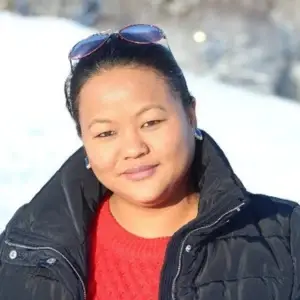
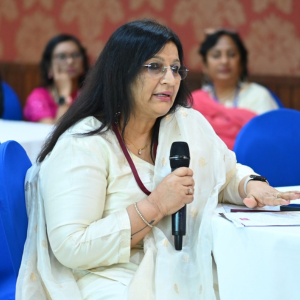
Dr. Lina Gurung is currently working as an Assistant Professor at Kathmandu University School of Education (KUSOED) in the Department of Development Education. Dr. Gurung is the focal person for Masters’ program in Indigenous Education and Development. She is also on the editorial board of national and international peer-reviewed journals. She has altogether two decades of teaching experience in schools, colleges, and universities in the social science discipline. She has done several quantitative and qualitative research since 2005 A.D. She worked as a gender coordinator from January 2014 to December 2020 under NORHED QUANTICT project funded by NORAD. She has reviewed and developed curricula, evaluated development projects, and an executive secretary of an organization working for empowerment rural women and survivors of domestic violence. Likewise, she is activity working in community led organization in her Gurung (indigenous) communities. Her research areas of interest are, women and development, indigenous feminism, gender responsive pedagogy, online and distance education, curriculum assessment, gender analysis, mentoring, diversity and inclusion, digital divide, indigenous studies and research, academic writing, and higher education.
Overview
This workshop explores the diverse research methodologies employed in feminist and gender studies, emphasizing approaches that challenge traditional frameworks and center marginalized voices. Participants will engage with both qualitative and quantitative research methods while understanding their application in analyzing gendered experiences, power structures, and social inequalities.
Key Takeaways
Research Fellow at the Sir Arthur Lewis Institute of Social and Economic Studies
The University of the West Indies
Cave Hill Campus (Barbados)
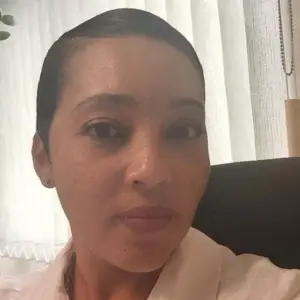
Latoya Lazarus is a Research Fellow at the Sir Arthur Lewis Institute of Social and Economic Studies, at The University of the West Indies, Cave Hill Campus (Barbados). She obtained a PhD in Sociology from York University, with a focus on cultures and identities. Her research and publications are in the fields of the Sociology of Religion, Citizenship, Gender and Sexualities’ Studies. Dr. Lazarus is one of the few Caribbeanists examining the intimate linkages between Christianity, social justice and citizenship within the Anglophone Caribbean. Additionally, she has also published in the area of Caribbean feminist methodologies, focusing on the complexities around doing ‘sensitive’ research and the critical analysis of diverse discourses. Since 2015, she has been the Managing Editor of the Journal of Eastern Caribbean Studies. Dr. Lazarus has designed and delivered both graduate modules on sexuality and citizenship as well as a course on “Regulating Sexual Citizenship in ‘Postcolonial’ Nations.”
Overview
The workshop is primarily aimed at knowledge producers who work or intend to do work on the Global South. Specifically, addresses four interconnected issues around research and publication, with emphasis placed on gender and sexuality research. These are:
Key Takeaways
Associate Professor
American College of Greece
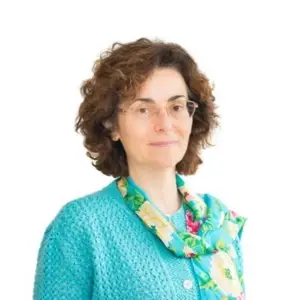
Christina Marouli, Ph.D., is a Professor at the Environmental Studies Programme, Deree-American College of Greece (ACG) and has an extensive teaching, research, and consulting experience. Her work and research focus on sustainable cities and gender, food waste, education for sustainability and social change. She is a socially active scholar (worked at NGOs for women and children; founded the ACG Center of Excellence in Sustainability; monitored EU-funded environmental projects).
Overview
How can our research generate gender-sensitive knowledge and empower the participants for a sustainable and equitable world? This is the main question this workshop will try to address by looking into the Feminist Action Research methodology. Feminist Action Research is participatory; challenges the researcher-researched power dynamic; and aims to the valuation of different forms of, including everyday, knowledge. This workshop will discuss theory and practical considerations, hoping to offer a place where participants can share and reflect together on research methods that empower women and other marginalized peoples.
Key Takeaways
Centre for Women’s Studies and Development
Banaras Hindu University
India
The Future of Women Vision Lab & Impact Pitch is an interactive closing session designed to encourage reflection, collaboration, and forward-thinking discussions on gender equality and women’s empowerment. This session provides participants with the opportunity to share insights gained throughout the conference, discuss key global challenges, and present innovative ideas and solutions for the future.
Through guided roundtable discussions and short impact pitches, participants will contribute to shaping the “Future of Women 2035 Vision Statement” by identifying practical actions, collaborative opportunities, and transformative strategies that can create meaningful social impact. The session aims to inspire collective vision-building, cross-sector collaboration, and continued engagement beyond the conference.
A comprehensive report capturing the key discussion points and insights from this session will also be prepared following the segment.
Outcomes:

Professor Emerita of Gender and Women’s Same Sex Relation Crossculturally
University of Amsterdam
Social Science Faculty
Indonesia
The Panel Discussion titled “Feminist Lightning Talks Session” is a vibrant platform that brings together voices from policy, academia, industry, activism, media, technology, and storytelling to share bold perspectives and transformative ideas that challenge inequality and inspire action.
Distinguished speakers representing these diverse sectors will explore pressing issues, innovative solutions, and lived experiences related to gender equality, women’s empowerment, inclusive leadership, social justice, and community transformation. Each speaker will present one impactful idea capable of sparking meaningful conversations and driving collective change.
Outcomes
* Showcase diverse voices and perspectives shaping a more inclusive and equitable future.
* Inspire dialogue, collaboration, and critical reflection on contemporary gender-related challenges and opportunities.
* Encourage participants to engage with innovative ideas and practical approaches that can contribute to lasting social transformation.
* Create opportunities for networking, knowledge exchange, and cross-sector collaboration among participants and speakers.
Panelist
Panelist
Eic
Women’s Studies International Forum
Follow the Women & Gender Community channel on WhatsApp